
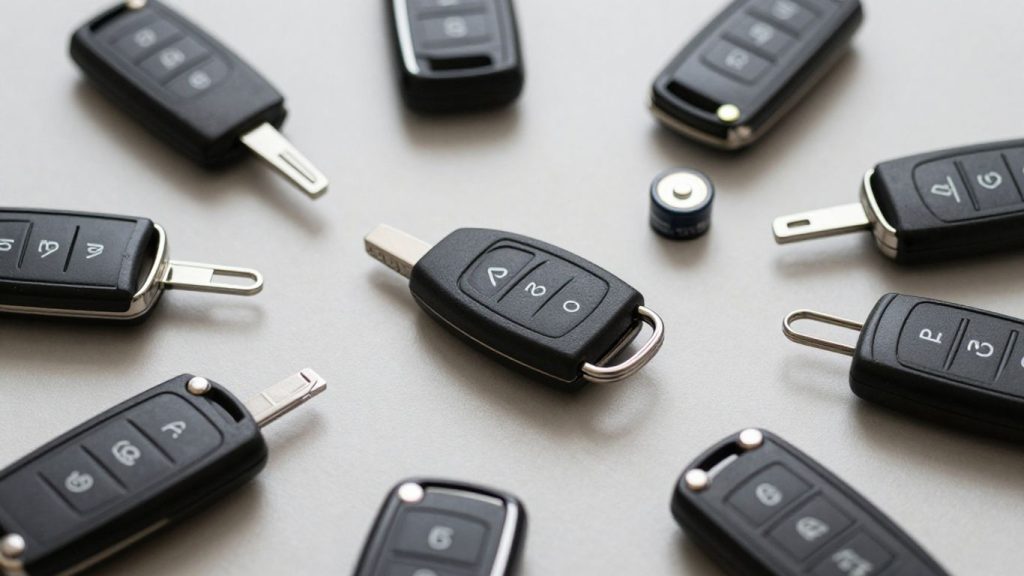
That little thing you use to unlock your car, the car key fob, it’s pretty important, right? It lets you get in, start the engine, and keep your ride secure. But like anything with a battery, it won’t last forever. When it starts acting up, it usually means the battery for your car keys needs a change. This guide will walk you through figuring out what’s going on and how to fix it yourself.
Key Takeaways
- Your car key fob battery matters because it powers the signals that lock, unlock, and start your car. Signs it needs replacing include a shorter range or the fob not working at all.
- Changing the battery for your car keys usually involves a small screwdriver to gently pry open the fob, removing the old battery, and inserting a new one of the same type, like a CR2032 or CR2025.
- You can buy replacement batteries for your car keys at many stores, including auto parts shops, electronics stores, and online. Always check the battery type to avoid damaging your fob.
Understanding Your Car Key Fob Battery
That little piece of plastic and metal you carry around every day, your car key fob, is pretty amazing. It’s not just a key; it’s a mini-remote that lets you do all sorts of things, like locking doors from across the parking lot or even starting your car before you get in. But all those cool features need power, and that power comes from a tiny battery inside. When that battery starts to fade, your fob might act up, and that’s when things get annoying.
Why the Battery for Car Keys Matters
Think about it: your key fob is your main way to interact with your car without actually touching it. It sends signals to your car to unlock doors, pop the trunk, activate the alarm, or even start the engine remotely. These functions rely on a consistent power source from the battery. Without enough juice, these signals get weak or stop altogether. This can mean you’re standing in the rain, frantically pressing the unlock button, and nothing happens. It’s not just about convenience, either. For some cars, a dead fob battery can prevent the car from starting, leaving you stranded. Knowing why this battery is important helps you appreciate why keeping it in good shape is a good idea.
Signs Your Key Fob Battery Needs Replacement
So, how do you know if your key fob’s battery is on its last legs? There are a few common clues. The most frequent one is a reduced range. You might notice you have to be much closer to your car than usual for the fob to work. Sometimes, it’s not just about distance; the fob might work intermittently. You press the button, and it works. You press it again a minute later, and nothing. Or, you might experience a delay between pressing a button and your car responding. The worst sign, of course, is when the fob completely stops working. If you’re experiencing any of these issues, it’s a strong indicator that a battery change is in your near future. It’s much better to replace it before you get locked out or can’t start your car, especially if you’re in a hurry or in a tricky situation like finding yourself locked out.
Here are some common symptoms:
- Limited Range: You need to be very close to the car for the fob to register.
- Intermittent Functionality: Buttons work sometimes, but not always.
- Delayed Response: There’s a noticeable lag between pressing a button and the car’s action.
- Complete Failure: The fob does absolutely nothing, no lights, no response.
Keeping an eye on these signs can save you a lot of hassle down the road. It’s a small maintenance task that prevents bigger problems.
Most modern key fobs use standard 3V lithium coin cell batteries, like the CR2032, CR2025, or CR2016. Identifying the exact type is usually straightforward.
Replacing the Battery for Your Car Keys
Okay, so your car key fob is acting up. Maybe the range is shorter than it used to be, or it’s just not responding like it should. Don’t sweat it, changing the battery is usually a pretty straightforward job that most people can handle right in their own driveway. It’s not like trying to fix a leaky faucet, which, let me tell you, is a whole other story.
Tools and Materials for Battery Replacement
Before you start, gather your supplies. You won’t need a whole toolbox for this, just a few common items.
- A small flat-head screwdriver: This is often the best tool for gently prying open the fob. Sometimes a coin works too, but a screwdriver gives you a bit more leverage.
- The correct replacement battery: This is super important. We’ll talk more about types later, but make sure you have the exact match for your fob. You can usually find this info printed on the old battery itself.
- A clean, flat surface: Working over a towel or a tray can be helpful to catch any tiny parts that might try to escape.
- Tweezers (optional): These can be handy for carefully lifting out the old battery, especially if it’s a bit stuck.
Step-by-Step Guide to Changing Your Car Key Battery
Ready to get this done? Here’s how it usually goes:
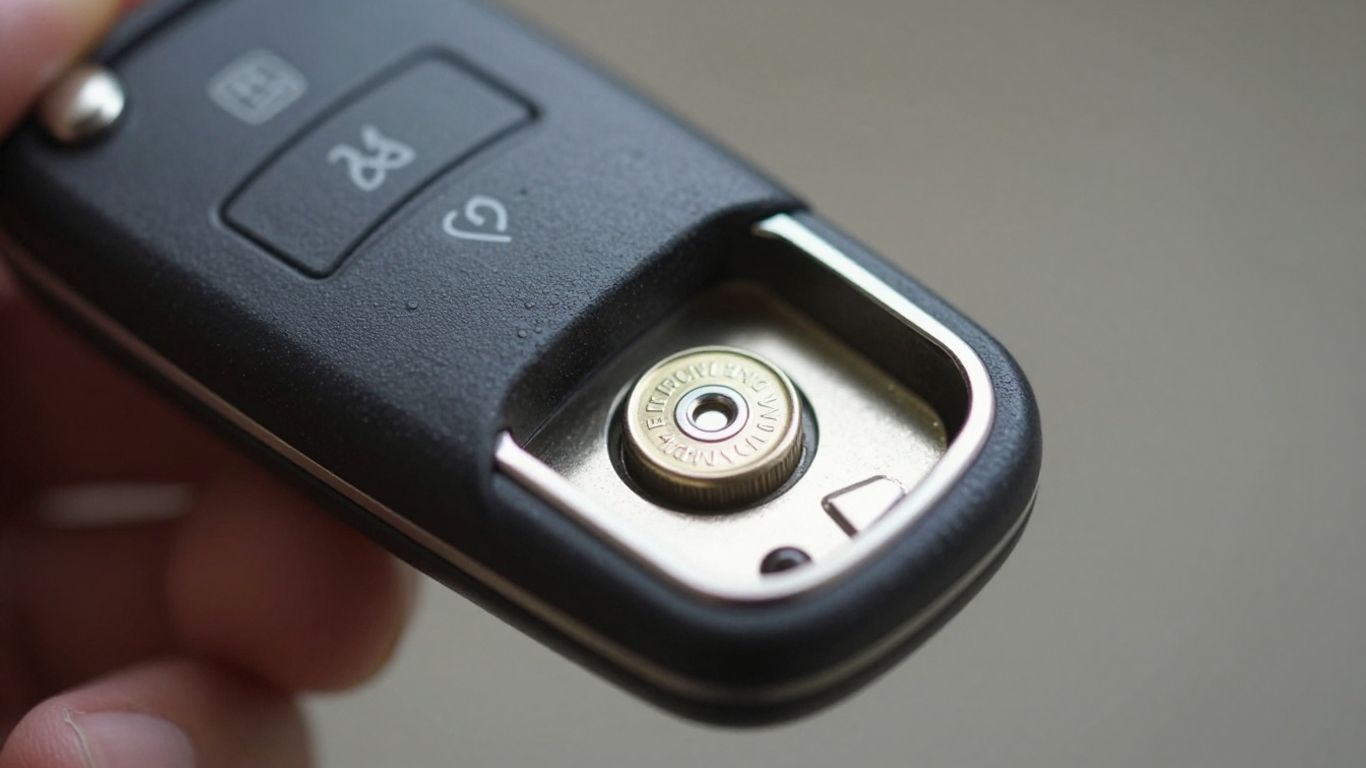
- Open the Fob: Most key fobs have a seam around the edge. Look for a small slot or notch. Gently insert your flat-head screwdriver or coin into this slot and twist carefully. You’re trying to persuade it open, not force it. If there’s a physical key attached, you might need to remove that first. Some fobs have a small release button for this.
- Remove the Old Battery: Once the fob is open, you’ll see the battery. It’s usually a small, coin-shaped cell. Note which way the positive (+) and negative (-) sides are facing. You might be able to gently pry it out with your fingernail or use those optional tweezers. Be careful not to bend any metal clips holding it in place.
- Insert the New Battery: Pop in the new battery, making sure the polarity is correct. The markings on the battery and inside the fob should guide you. Getting the orientation right is key for the fob to work.
- Close the Fob: Carefully align the two halves of the fob and snap them back together. You should feel or hear a click when it’s properly sealed. Give it a gentle shake to make sure everything is secure.
- Test It Out: Step away from your car and try pressing the lock or unlock button. If everything went smoothly, you should hear your car respond. If it doesn’t work, double-check that the battery is seated correctly and the fob is fully closed. Sometimes, a quick reprogramming might be needed, but usually, a fresh battery is all it takes.
If you’re not comfortable with any of these steps, or if your fob seems particularly tricky to open, don’t hesitate to seek help. A professional locksmith can often swap out the battery in minutes. It’s better to get a little help than to break your key fob and end up needing a whole new one.
Remember to dispose of the old battery properly, as they often contain materials that shouldn’t just be tossed in the regular trash.
Choosing the Right Battery for Your Car Keys
Common Battery Types for Car Key Fobs
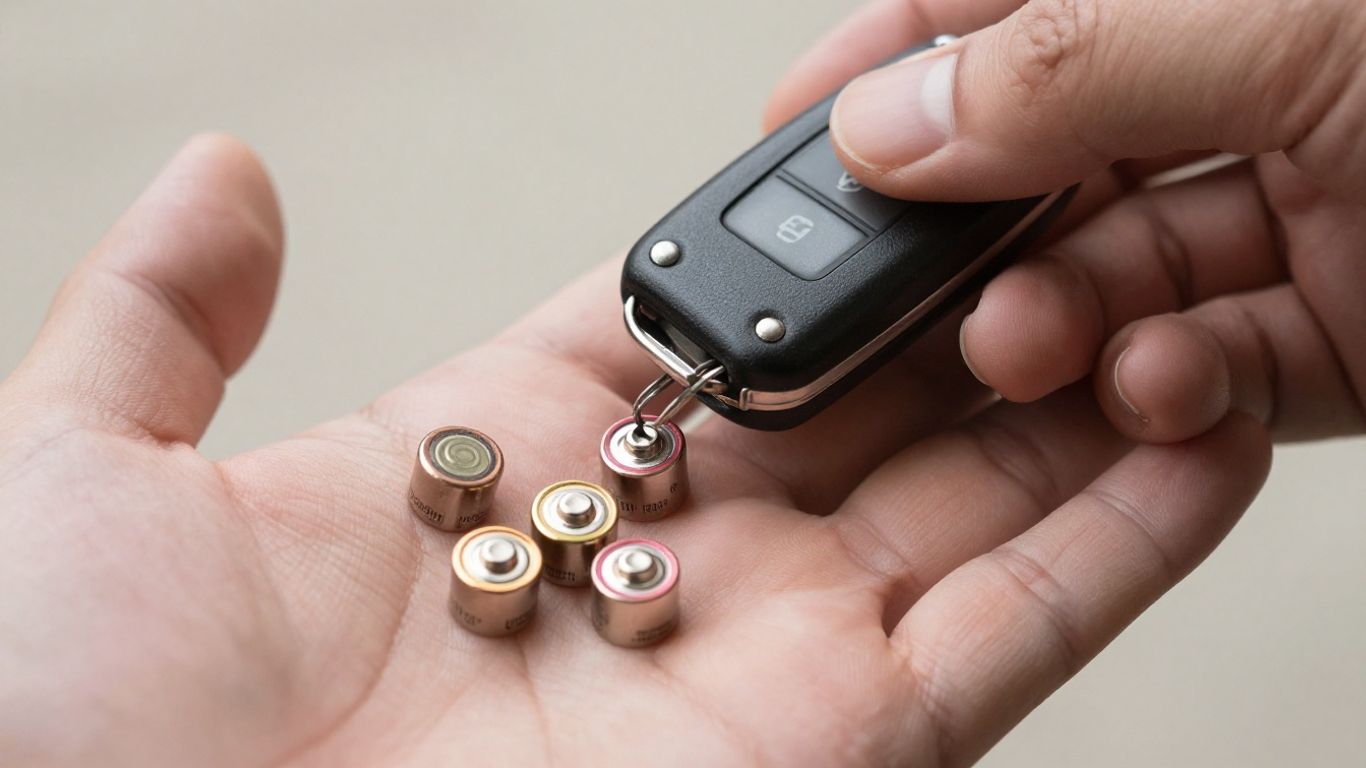
So, you’ve figured out your key fob battery is on its last legs. Now comes the part where you need to grab the right replacement. It’s not as simple as just grabbing any old coin battery; they come in different sizes and power levels. The most common types you’ll run into are the CR2032, CR2025, and sometimes the CR2016. Think of them like different sizes of AA batteries – they look similar but aren’t interchangeable.
- CR2032: This is probably the most popular one. It’s 20mm in diameter and 3.2mm thick. It’s got a good amount of juice and usually lasts the longest, making it great for fobs with lots of features like remote start or proximity sensors.
- CR2025: Similar in diameter (20mm) but a bit thinner at 2.5mm. It holds a little less power than the CR2032, so it’s often found in fobs with simpler functions.
- CR2016: This one is the thinnest of the bunch, at 1.6mm thick. It holds the least power, so it’s usually for fobs that do just the basics, like locking and unlocking.
The best way to know for sure which battery you need is to check the old one. Once you’ve got the fob open, the battery type is printed right on it. If you can’t see it or the print is worn off, your car’s owner’s manual is your best friend. You can also find a lot of information online about specific car models and their fob batteries, like this guide to CR2032 vs CR2025.
Always double-check the battery type before you buy. Using the wrong size or type won’t work and could potentially damage your key fob.
Where to Purchase Replacement Batteries
Finding a replacement battery for your car key fob isn’t usually a big hassle. You’ve got a few options, and the best one for you might depend on how quickly you need it and how much you want to spend.
- Retail Stores: Places like Walmart, Target, or even your local grocery store often have a small selection of coin cell batteries in their electronics or battery aisle. They’re convenient for a quick grab.
- Auto Parts Stores: Stores like AutoZone or O’Reilly Auto Parts are a good bet. They usually carry a variety of common key fob batteries, and the staff might even be able to help you identify the right one if you’re unsure.
- Pharmacies and Drugstores: Many drugstores, like CVS or Walgreens, also stock these small batteries. It’s another easy option if you’re already out and about.
- Online Retailers: Websites like Amazon or eBay are fantastic for finding batteries, especially if you want to buy them in multi-packs. Buying in bulk can save you money in the long run, and it’s handy to have a spare ready for next time. You can often find detailed battery size guides on these platforms too.
- Locksmiths: If you’re really stuck or don’t want to deal with opening the fob yourself, a local locksmith can usually replace the battery for you. They’ll have the right tools and batteries on hand, though it might cost a bit more than doing it yourself.
Picking the right battery for your car keys might seem tricky, but it’s simpler than you think! Most key fobs use small, round batteries. Knowing the exact type can save you a trip to the store. For more details on finding the perfect fit, check out our website.
Wrapping It Up
So, there you have it. Replacing your car key fob battery might seem like a small thing, but it keeps you moving. We went over why it matters, what signs to look for, and how to actually swap out that old battery for a new one. Remember to grab the right kind of battery – checking your car’s manual or the old battery itself is the way to go. Don’t forget to be gentle when you’re opening up the fob, and always test it out after you’re done. If you ever get stuck or just don’t feel like messing with it, a locksmith is always a good option. Keeping your key fob in good shape means one less thing to worry about on the road.
Frequently Asked Questions
How do I know if my car key fob battery is dying?
You’ll likely notice a few signs that your key fob battery is running low. The range might decrease, meaning you have to stand closer to your car for it to work. Sometimes, the buttons might work only sometimes, or there could be a delay before your car responds. In the worst case, it might stop working altogether.
What kind of battery do I need for my car key fob?
Most car key fobs use small, coin-shaped lithium batteries. The most common types are CR2032, CR2025, and CR2016. The best way to be sure is to check your car’s owner’s manual or carefully look at the old battery itself for its model number. Using the wrong battery could damage your fob.
What should I do if my key fob still doesn’t work after changing the battery?
If your key fob isn’t working even with a new battery, don’t worry! First, double-check that the battery is inserted correctly, with the positive (+) and negative (-) sides in the right place. Sometimes, the fob might need to be reprogrammed to sync with your car again. You can usually find instructions for this in your car’s manual, or you might need to contact a car dealership or a locksmith for help.